

A new category of infrastructure companies is emerging: one that does not replace physical systems but instead overlays them with intelligent energy networks. Voltify, which just raised a $30 million seed round, is positioning itself squarely in this shift.
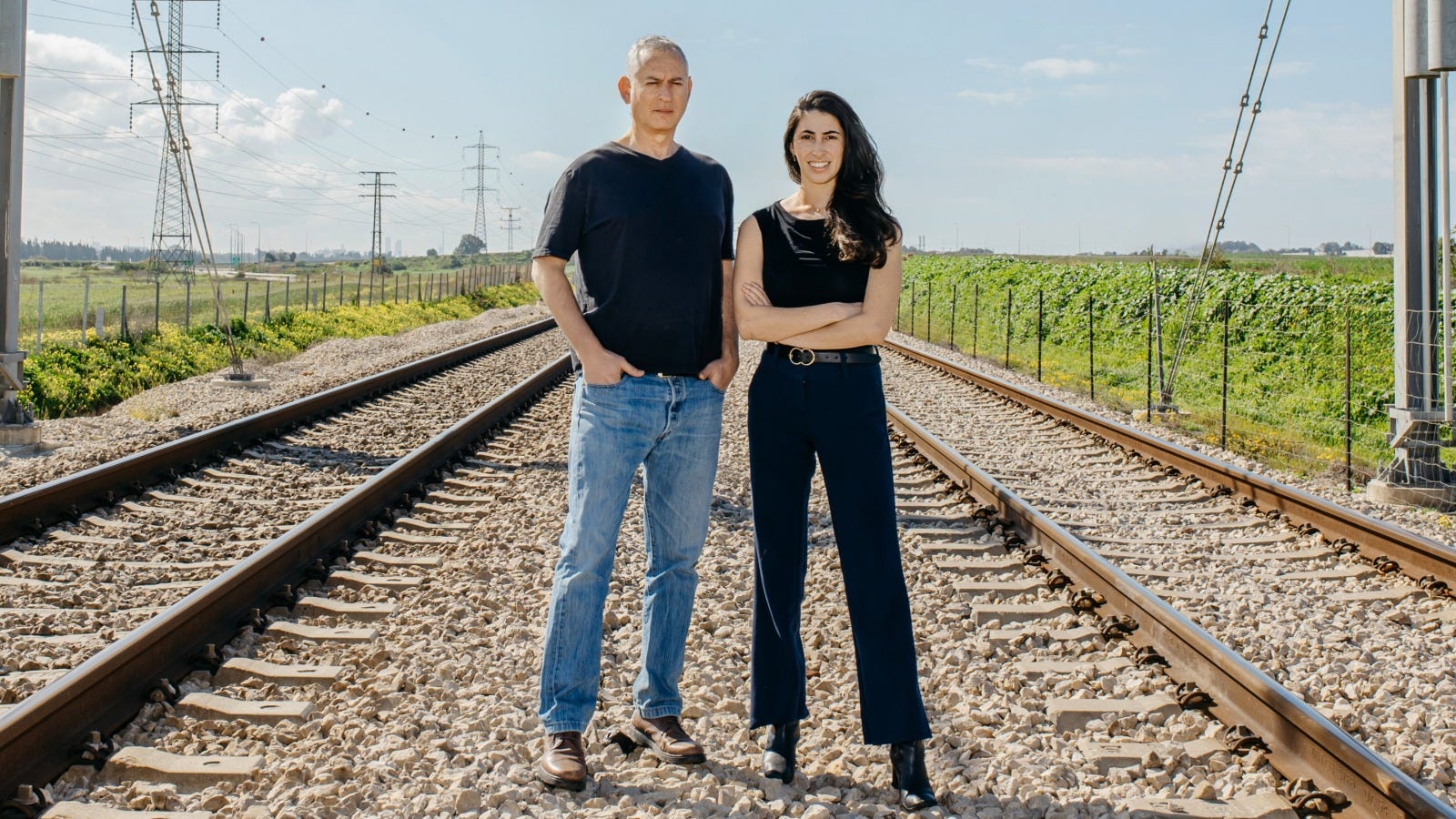
Founded by Dafna Langer and Alon Kessel, the company is not building trains or rail lines. Instead, it is building an energy layer designed to reduce rail fuel costs by more than 20% while enabling large-scale decarbonization without requiring traditional electrification infrastructure.
The round was co-led by Aleph and Fortescue, alongside strategic investors and angels. The participation of Fortescue is particularly notable given its role as a global mining and energy company with deep exposure to heavy logistics systems.
The Structural Problem in Freight Rail
Freight rail is one of the most energy-intensive logistics systems in the world. In the U.S. alone, major operators collectively spend about $11 billion per year on diesel fuel.
While electrification offers a theoretical solution, it has historically required massive infrastructure investment. Overhead wiring systems across rail networks can exceed $1 trillion in total cost, depending on scale and geography.
This cost barrier has left rail partially modernized but not fully transformed.
Voltify’s “Energy Layer” Model
Voltify’s approach is to separate energy infrastructure from physical rail infrastructure. Instead of rebuilding rail lines, the company builds a parallel energy system consisting of:
Battery-powered locomotives
Dynamic charging technology
Distributed renewable microgrids
The system is designed to operate alongside existing rail operations without requiring changes to logistics behavior.
A defining feature is in-motion charging, which allows locomotives to recharge without stopping. This eliminates downtime while maintaining throughput.
Why Microgrids Matter
The microgrid component is central to Voltify’s architecture. These systems generate energy locally using solar power and battery storage, coordinated by software that manages distribution and load balancing.
By decentralizing energy production, Voltify reduces reliance on fossil fuels and centralized grid infrastructure.
The Economics of Decarbonization
CEO Dafna Langer emphasizes that Voltify is not simply reducing emissions but restructuring cost dynamics. “We’re making clean energy the financially smarter option,” she said, arguing that reducing energy costs by over 20% changes the economics of adoption.
Aleph’s Tomer Diari described the company as redefining global rail energy supply chains, while Fortescue’s Gus Pichot linked the technology to broader decarbonization efforts in heavy industry.
Traction and Near-Term Milestones
Voltify has already secured a paid pilot with one of the world’s largest Class I rail operators, signaling early validation in a highly conservative industry.
Deployment is expected in the coming months, and the company plans to demonstrate its integrated system, covering locomotives, charging, and microgrids, later this year.