

The traditional boundaries of workplace cybersecurity are becoming less relevant as employees move between cloud applications, browser-based services, and AI platforms throughout the day. A single browser session can involve access to customer records, company documents, financial systems, and external applications. Protecting these interactions requires more than monitoring individual devices.
Guardz is expanding its approach to workspace security through an integration with Palo Alto Networks’ Prisma Browser for Business, as first reported by SiliconANGLE. The addition brings browser protection into Guardz’s platform for managed service providers (MSPs), connecting it with existing security capabilities across identity, email, endpoints, data, and user risk.
Connecting The Security Ecosystem
The integration addresses a growing problem for security teams: attacks frequently cross multiple environments, but the tools monitoring those environments do not always share context.
A phishing email, for example, can lead an employee to a fraudulent login page designed to steal credentials or active session tokens. Prisma Browser for Business can block the malicious destination, while Guardz correlates the browser event with the original email, related Microsoft 365 activity, and endpoint telemetry.
This allows MSPs and Guardz’s 24/7 managed detection and response (MDR) team to investigate related activity as a unified incident.
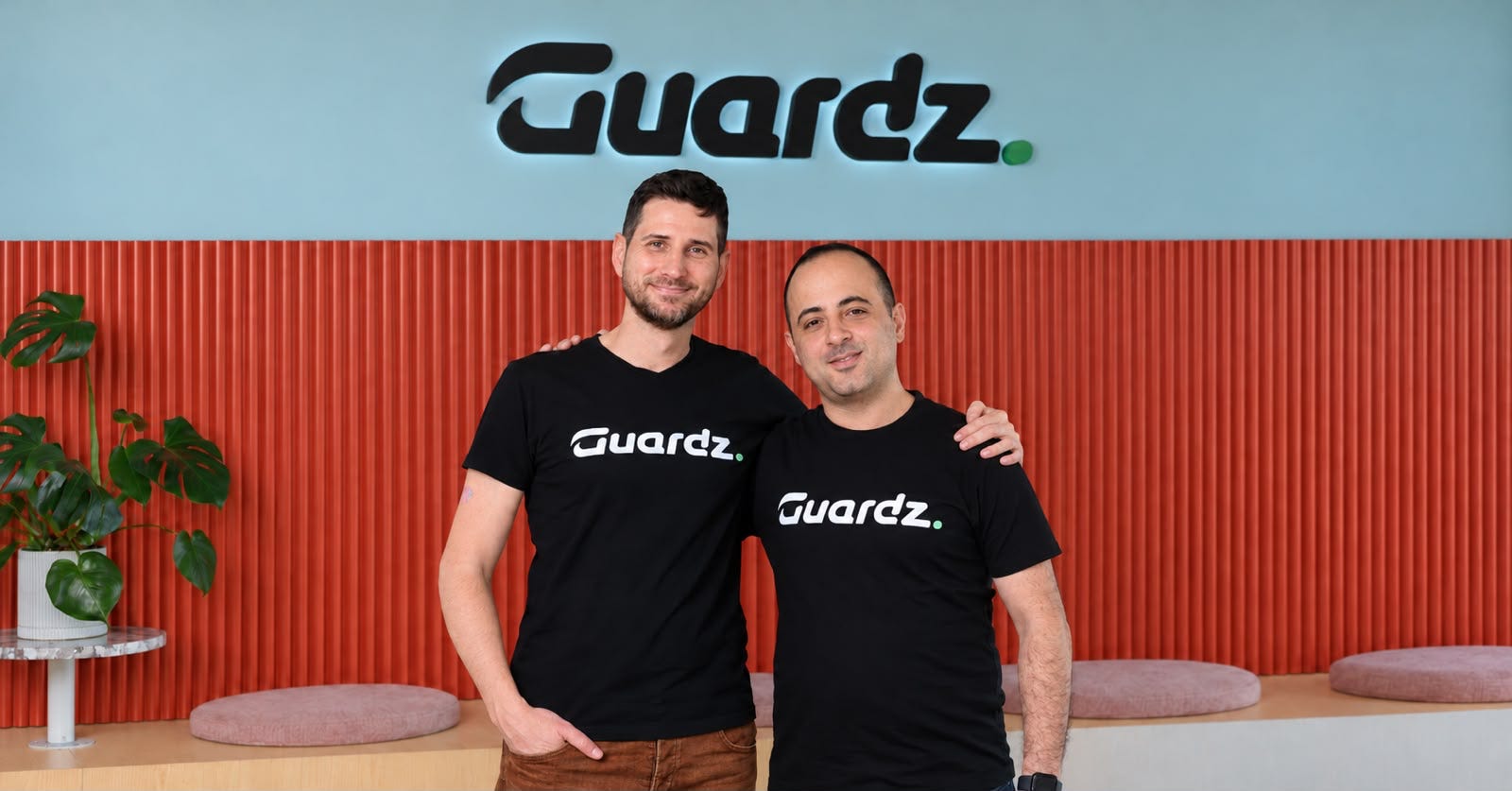
“Identity is the new center of gravity in cybersecurity, and the browser has become the primary gateway to the modern workspace. Traditional security tools operate in silos, leaving critical gaps in visibility and response,” said Dor Eisner, CEO and Co-Founder of Guardz.
Prisma Browser for Business also brings inline machine-learning phishing detection, Advanced URL Filtering, WildFire file analysis, upload and download scanning, and risky browser extension detection into the Guardz environment.
A More Accessible Deployment Model
For MSPs, integrating another security capability across multiple customer environments can introduce additional administrative work. Guardz says it has simplified provisioning, setup, and default configuration, allowing providers to deploy Prisma Browser for Business within minutes.
Kevin Kehoe of Datawise Networks, an early-access MSP, highlighted the implementation experience: “The rollout through our RMM was super smooth. Within minutes, the Prisma Browser for Business extension was on every Chrome and Edge profile, and it was quick and easy to configure and deploy.”
The integration is intended to help MSPs extend browser protection through workflows they already use, rather than requiring a separate and complicated rollout.
Shivam Srivastava, VP Product at Palo Alto Networks, said the collaboration brings browser security into the services small businesses already receive from their providers. “For most small businesses, the browser is now the office. Working with Guardz brings Prisma Browser for Business into the security these organizations receive from the providers they already trust. It connects our browser protection with the wider coverage and support their MSP delivers, helping safeguard the applications and information employees use every day,” he said.
Bringing AI Usage Into Security Operations
The integration also complements Guardz’s AI Usage and Control capabilities. As employees increasingly use browser-based AI services, organizations need ways to understand adoption and control how business information is shared.
MSP technicians can establish client-specific restrictions on copying, pasting, uploading, and downloading files by website or category. Guardz has also introduced an AI usage report that provides a per-client view of AI tool adoption.
Eisner described the broader direction behind the partnership: “Together with Palo Alto Networks, we’re advancing a new era of identity-centric security operations, connecting signals across identity, browser, email, endpoint, and data into a unified security fabric that is powered by agents. Guardz enables MSPs to autonomously investigate, correlate, and respond to threats across the entire workspace, while giving small businesses the freedom to embrace AI securely and thrive. This is the future of cybersecurity: identity-centric, unified data fabric, and built for autonomous defense at scale,” he added.
The integration reflects Guardz’s effort to move beyond isolated security controls toward a connected model that gives MSPs greater visibility across the digital environments their customers depend on.